Discover Nikkei Logo

https://www.discovernikkei.org/en/interviews/clips/1282/

Gidra's Content

We weren’t just journalists. None of us were journalism majors anyway. We liked to write. We liked to draw. But we were activists. So we participated in the things that we wrote about, whether it was a demonstration or you know, helping out seniors in the community, having a health fair, you know whatever it was, going to Manzanar, going to citywide anti-war demonstrations, going to Wounded Knee, whatever the case might be, we took part in it ourselves.

And so, you know, I think we, at different times, we look at things in terms of a global or like a very big picture way of you know seeing society and how society can change and how we can be a part of that.

And then at other times we’re very much local. We’re talking about drug abuse in the community. We’re talking about high school students, in their educational system. We’re talking about social activities that go on, things that are happening with gangs among youth, so very localized kinds of things as well as experiences that we have and the, you know, lessons that we can share with each other.


communities identity

Date: Sep 29, 2011

Location: California, US

Interviewer: Kris Kuromitsu, John Esaki

Contributed by: Watase Media Arts Center, Japanese American National Museum
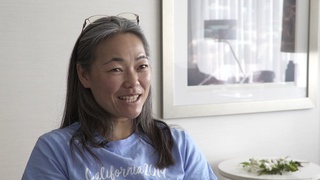
Interviewee Bio

Mike Murase--attorney, activist, administrator, writer and photographer--has been involved in human services, social change, education, government and politics for over 40 years. As an undergraduate at University of California at Los Angeles (UCLA), he was a co-founder of the Asian American Studies Center and later taught ethnic studies at UCLA, University of Southern California and California State University at Long Beach.

Mike’s roots in the Asian American communities are deep. He was a part of the core group who founded Little Tokyo Service Center (LTSC), a social service and community economic development agency serving Little Tokyo and greater Japanese American community throughout Los Angeles. Mike served as the board president for first 5 years. He also advocated for members of Japanese Welfare Rights Organization, Little Tokyo People’s Rights Organization and National Coalition for Redress & Reparations (NCRR), and authored Little Tokyo: One Hundred Year History.

In 2006, Mike returned to LTSC to join its management team and currently is Director of Service Programs. (August 2012)

William Marutani
en
ja
es
pt
William Marutani

Post-redress future of Japanese Americans

Judge, only Japanese American to serve on CWRIC.

en
ja
es
pt
Clifford Uyeda
en
ja
es
pt
Clifford Uyeda

Mentality of Issei and Nisei

(1917 - 2004) Political activist

en
ja
es
pt
Kathryn Doi Todd
en
ja
es
pt
Kathryn Doi Todd

Opening Up Shop in Little Tokyo

(b. 1942) The first Asian American woman judge

en
ja
es
pt
Clifford Uyeda
en
ja
es
pt
Clifford Uyeda

Treatment by Chinese students

(1917 - 2004) Political activist

en
ja
es
pt
Kazuomi Takagi
en
ja
es
pt
Kazuomi Takagi

Nikkei identity (Spanish)

(1925-2014) La Plata Hochi, Journalist

en
ja
es
pt

Discover Nikkei Updates

NIKKEI CHRONICLES #14
Nikkei Family 2: Remembering Roots, Leaving Legacies
Read the stories and give a star to the ones you like the most! Help select our Community Favorite.
Vote for Nima-kai Favorite!
VIRTUAL PROGRAM
Nikkei Uncovered V: a poetry reading
Tuesday, December 9
Hosted by traci kato-kiriyama
Featuring Aaron Caycedo-Kimura, Erica Isomura, and Syd Westley
SUPPORT THE PROJECT
Discover Nikkei’s 20 for 20 campaign celebrates our first 20 years and jumpstarts our next 20. Learn more and donate!