Discover Nikkei Logo

https://www.discovernikkei.org/en/interviews/clips/1782/

Influence of Mexican culture after returning from camp

You know, it’s interesting because when we first came back from Camp, we actually got, we got discriminated against by the Mexican-Americans—when we came back, everybody didn't like the Japanese—and they didn’t like us either. We came back and there was actually a lot of hostility from alls circles. I think what started opening people up was that my parents started attending the local church, the local Catholic Church, everyone in that community was Catholic. And my mom, shall we say, my mom turned Mexican during that community, she fell in love with the Mexican culture, language, food, everything, and so she was the toast of the neighborhood. She was amazingly fluent in Spanish and practiced every day. She made it a point of going to movies and so in terms of Mexican American culture.

I always thought to some extent it was influenced to some extent too, by my oldest brother Steve, because what had happened when we came to Orange County was that my oldest brothers were in school. So they started going back and forth to school they used get beat up every day by the White kids. At some point, the Mexican kids got tired of watching them get beat up and started jumping in for them and it...and I think it affected the way we grew up because our family was very close to the Mexican Americans because they stood up us, there was like nobody else would, you know. But anyways, we moved out of there shortly thereafter we went to East LA but I thought that cultural sort of immersion was capable, was possible because of that, that support at a time again when you know, Japanese Americans were very unpopular. We didn’t have a lot of support any place when somebody would jump in for us that meant something, that and it’s just like that today. You know, when somebody wants to pile onto the unpopular minority or the targeted individual whoever that is any given time everybody wants to pile on for that person and it becomes a popular sport for people who have got a sadistic streak. So anybody that would defend people in that situation they are in my heart.


communities culture discrimination interpersonal relations Mexican Americans minorities postwar prejudices World War II

Date: Jul 14, 2020

Location: California, US

Interviewer: Matthew Saito

Contributed by: Watase Media Arts Center, Japanese American National Museum; Japanese American Bar Association
Interviewee Bio

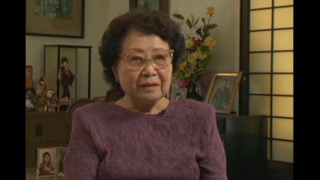
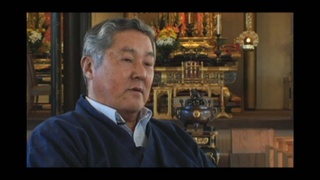
Mia Yamamoto is a Sansei transgender attorney and civil rights activist. She was born in the Poston concentration camp in Arizona in 1943 where her parents were incarcerated. She joined the Army and served in the Vietnam War. Inspired by her father's courage to speak out against the unconstitutional incarceration of Japanese Americans during World War II, she attended the University of California Los Angeles's School of Law and has been a leader in the field of social justice, including working with the Japanese American Bar Association. (March 2021)

*This is one of the main projects completed by The Nikkei Community Internship (NCI) Program intern each summer, which the Japanese American Bar Association and the Japanese American National Museum have co-hosted.
Barbara Kawakami
en
ja
es
pt
Barbara Kawakami

Okinawan discrimination

An expert researcher and scholar on Japanese immigrant clothing.

en
ja
es
pt
Yuri Kochiyama
en
ja
es
pt
Yuri Kochiyama

Didn't have rights that whites had

(1922–2014) Political and civil rights activist.

en
ja
es
pt
Yuri Kochiyama
en
ja
es
pt
Yuri Kochiyama

Californians didn't know about evacuation

(1922–2014) Political and civil rights activist.

en
ja
es
pt
Yuri Kochiyama
en
ja
es
pt
Yuri Kochiyama

The day Pearl Harbor was bombed

(1922–2014) Political and civil rights activist.

en
ja
es
pt
Yuri Kochiyama
en
ja
es
pt
Yuri Kochiyama

Father as prisoner of war in hospital

(1922–2014) Political and civil rights activist.

en
ja
es
pt
Yuri Kochiyama
en
ja
es
pt
Yuri Kochiyama

Patriotism versus loyalty

(1922–2014) Political and civil rights activist.

en
ja
es
pt
Yuri Kochiyama
en
ja
es
pt
Yuri Kochiyama

Conditions of assembly centers

(1922–2014) Political and civil rights activist.

en
ja
es
pt
Yuri Kochiyama
en
ja
es
pt
Yuri Kochiyama

Visit to assembly centers by E. Stanley Jones

(1922–2014) Political and civil rights activist.

en
ja
es
pt
Yuri Kochiyama
en
ja
es
pt
Yuri Kochiyama

Postcards to Nisei soldiers

(1922–2014) Political and civil rights activist.

en
ja
es
pt
Yuri Kochiyama
en
ja
es
pt
Yuri Kochiyama

Hiding what happened in camp

(1922–2014) Political and civil rights activist.

en
ja
es
pt
Yuri Kochiyama
en
ja
es
pt
Yuri Kochiyama

Arrest of father

(1922–2014) Political and civil rights activist.

en
ja
es
pt
Yuri Kochiyama
en
ja
es
pt
Yuri Kochiyama

Camp as a positive thing

(1922–2014) Political and civil rights activist.

en
ja
es
pt
Yuri Kochiyama
en
ja
es
pt
Yuri Kochiyama

Mr. Finch, godfather of the 442nd

(1922–2014) Political and civil rights activist.

en
ja
es
pt
Yuri Kochiyama
en
ja
es
pt
Yuri Kochiyama

Rounding up Issei and Nikkei

(1922–2014) Political and civil rights activist.

en
ja
es
pt
Jane Aiko Yamano
en
ja
es
pt
Jane Aiko Yamano

Lack of language skills

(b.1964) California-born business woman in Japan. A successor of her late grandmother, who started a beauty business in Japan.

en
ja
es
pt

Discover Nikkei Updates

NIKKEI CHRONICLES #14
Nikkei Family 2: Remembering Roots, Leaving Legacies
Read the stories and give a star to the ones you like the most! Help select our Community Favorite.
Vote for Nima-kai Favorite!
VIRTUAL PROGRAM
Nikkei Uncovered V: a poetry reading
Tuesday, December 9
Hosted by traci kato-kiriyama
Featuring Aaron Caycedo-Kimura, Erica Isomura, and Syd Westley
SUPPORT THE PROJECT
Discover Nikkei’s 20 for 20 campaign celebrates our first 20 years and jumpstarts our next 20. Learn more and donate!